Why is Royal Basmati Rice the “Superfood” of Traditional Indian Grains?
10 April, 2026
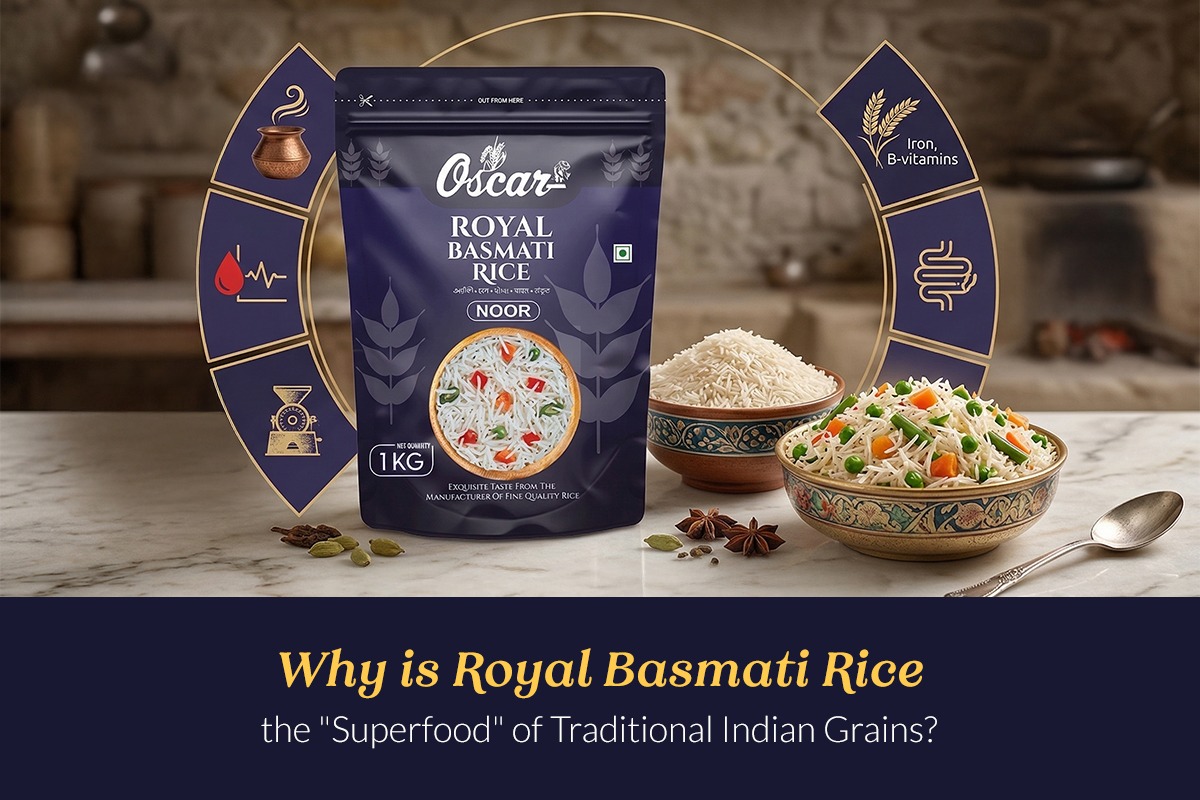
Whenever we consider the concept of superfoods, we tend to think of such foods as kale or quinoa. However, to the rest of us who have been nurtured around the cozy smell of a home-cooked meal, the actual giant was always in our pantry. Royal Basmati Rice is the superfood of Kuber Agro, the parent company of Oscar Basmati Rice. The reasons this long-grain marvel is a nutritional powerhouse and how it can boost your health and your plate will be discussed in this blog.
How does the Royal Basmati rice differ from the regular one?
Royal Basmati Rice is not a long grain rice. It is a special type of Oryza sativa cultivated mostly in the foothills of the Himalayas. The only difference is in the aging; we age our rice to make it drier and therefore contribute to the flavor and make the grains remain fluffy and separate.
Stat Check: You have heard that the glycemic index (GI) of authentic Basmati rice is 50 to 58? This causes it to be a low- to medium-GI food as compared to ordinary white rice, which regularly shoots past 70.
The Reason Royal Basmati Rice is the Ultimate “Superfood”
1. No Cholesterol, No Heart-Healthy
We boast of our grains being naturally gluten-free and having zero cholesterol levels. It is a healthy choice of energy that does not add extra pounds to the heart.
2. An Excellent Source of Streamlined Carbs
Royal Basmati rice is also a sustained source of energy, unlike processed grains. It helps you to be full longer since it is hard to digest, making it useful in weight management.
3. High in Essential Microelements
All servings have B-vitamins such as thiamine and niacin, which are necessary in the brain and in the transformation of food into energy.
The Ultimate Rice Selection Checklist
You want to cook next time, check whether your rice is up to these “royal” standards:
Smell: Does it smell like natural and nutty popcorn?
Grain Length: Do the grains multiply after cooking?
Color: Is it creamy (aged) instead of white?
Touch: Does it have non-sticky grains?
Rice Variety Comparison
Rice Type
Glycemic Index
Texture
Best For
Royal Basmati
Low-Medium
Fluffy/Separate
Biryani & Pilaf
Jasmine Rice
High
Sticky
Thai Curries
Brown Rice
Low
Chewy
Health Bowls
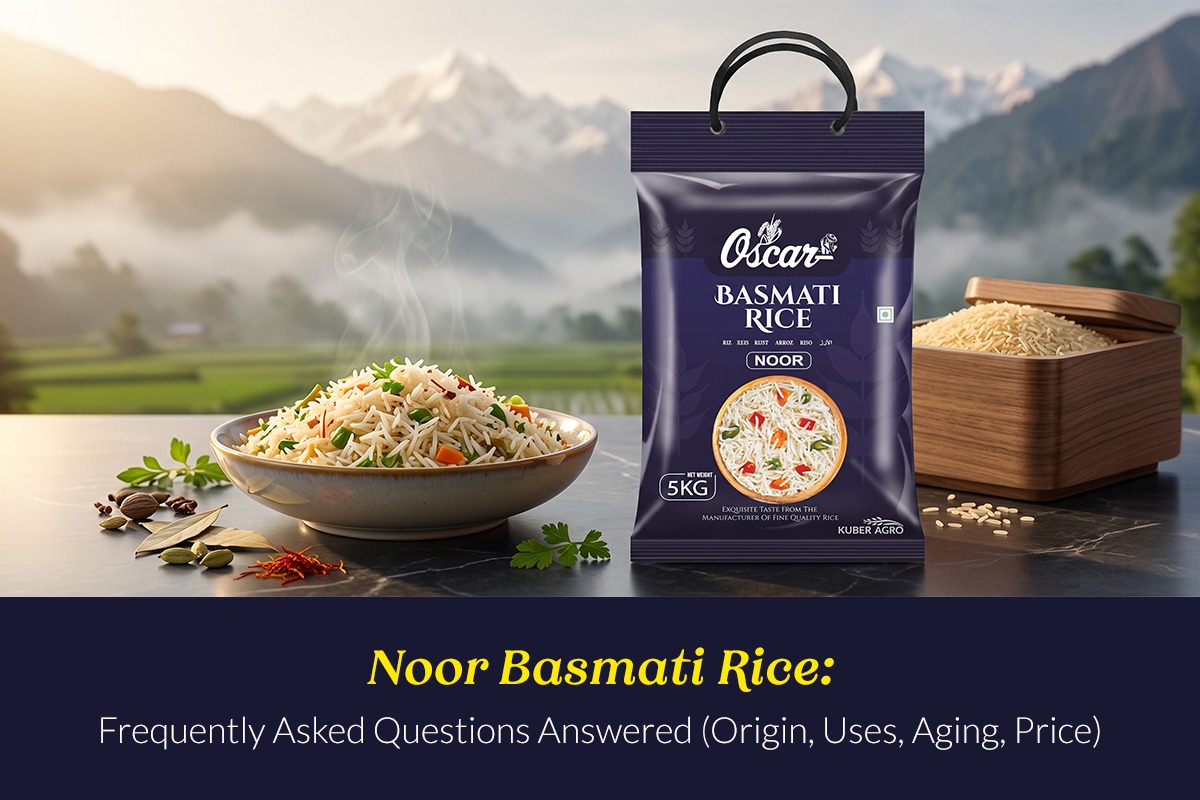
Expert Tip: To optimize your Noor Basmati rice, it is always advisable to pre-soak the rice grains after 30 minutes and then cook them. This opens the grain and guarantees the greatest length and a better release of its trademark fragrance.
Learn More About Our Process
Our Sustainable Farming Practices
The Art of Aging Rice at Kuber Agro
Explore the Oscar Basmati Rice Collection.
Conclusion
Eating Royal Basmati Rice is not just a great decision to make but also a new healthier lifestyle without compromising where the taste is concerned. We, at Kuber Agro, believe in introducing this Himalayan superfood in your kitchen.
Ready to taste the difference? Browse our premium Oscar Basmati rice range today!
Author Name
Lorem Ipsum is simply dummy text of the printing and typesetting industry. Lorem Ipsum has been the industry's standard dummy text ever since the 1500s, when an unknown printer took a galley of type and scrambled it to make a type specimen book. It has survived not only five centuries
Our attention is paid to the traditional process of aging and strict quality control to be sure that each grain of premium Basmati rice complies with the international standards of purity.
Store in a dry and cool environment in an airtight container. When it is well preserved, even old basmati can last years, and better than that, it can get better!
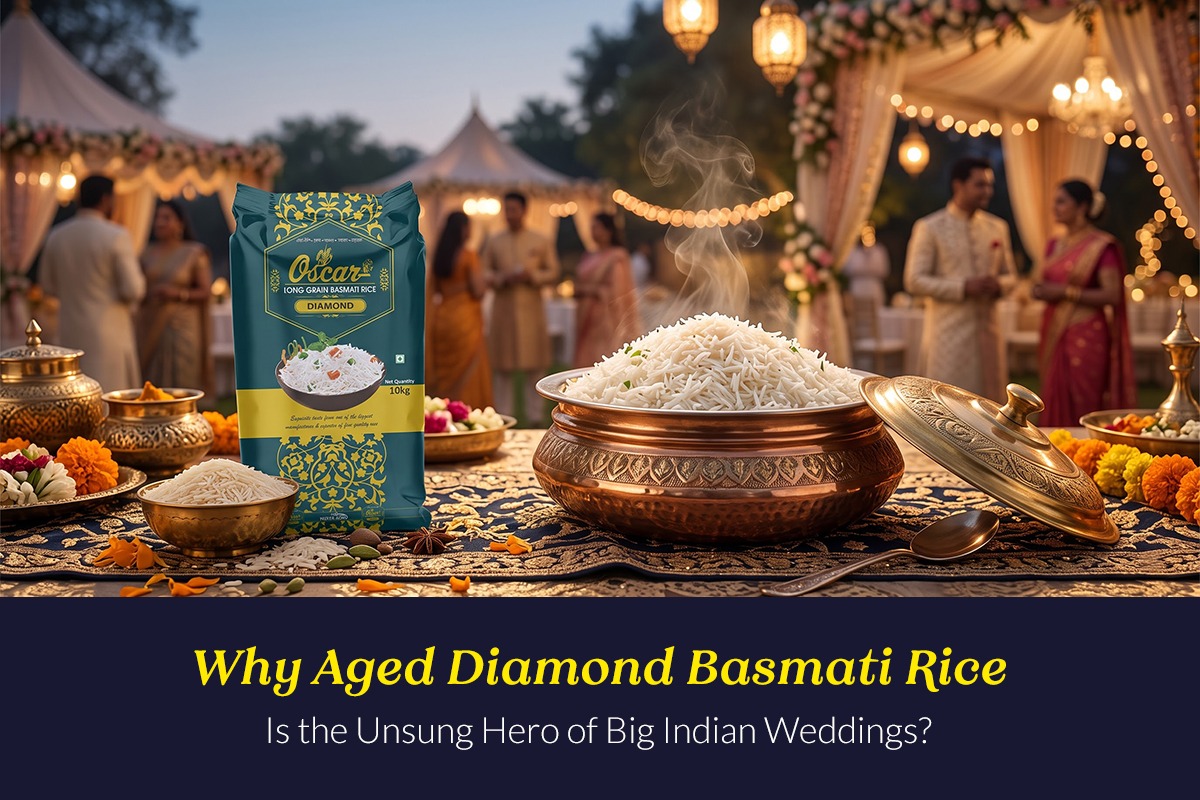
Organizing a big Indian wedding means dealing with countless issues, but one topic that is always at the forefront is food. While it is commonly accepted that the main highlight...
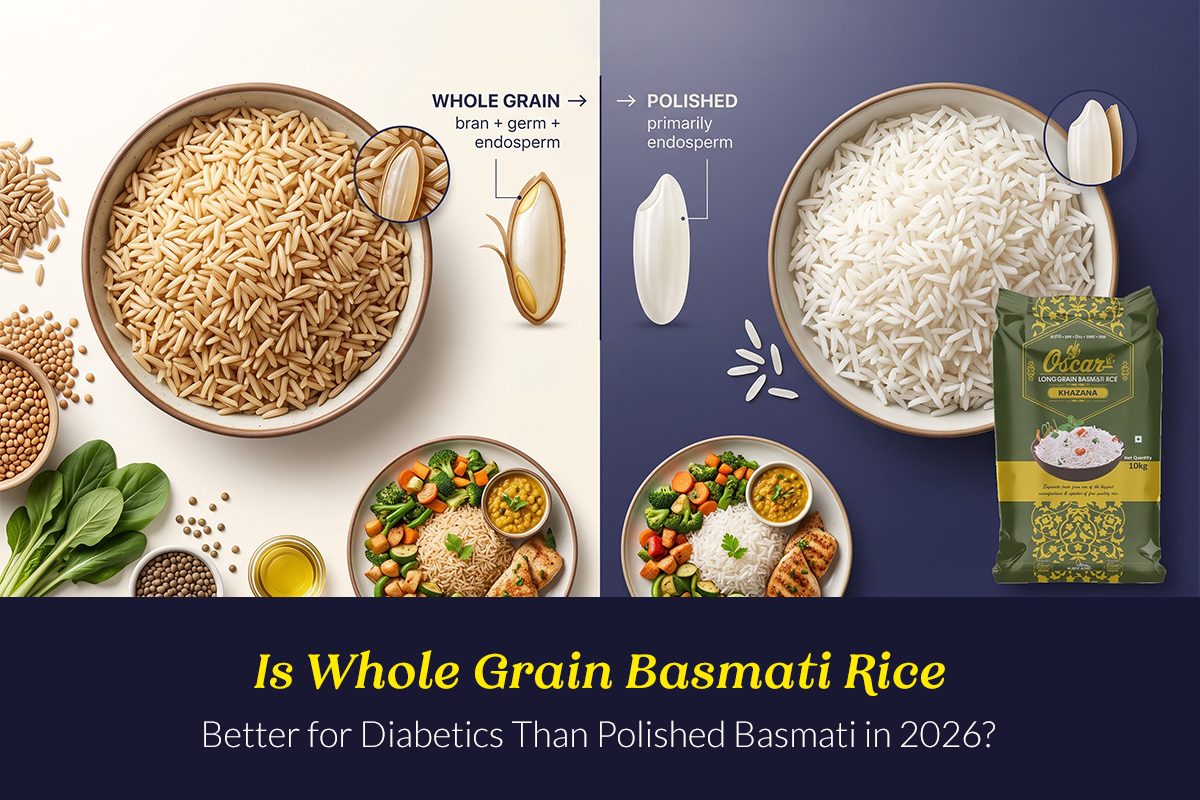
In the case of diabetes management, many people wonder whether their staple, everyday Indian cuisine must be completely avoided, and doing so comes as a big challenge. Several people keep...
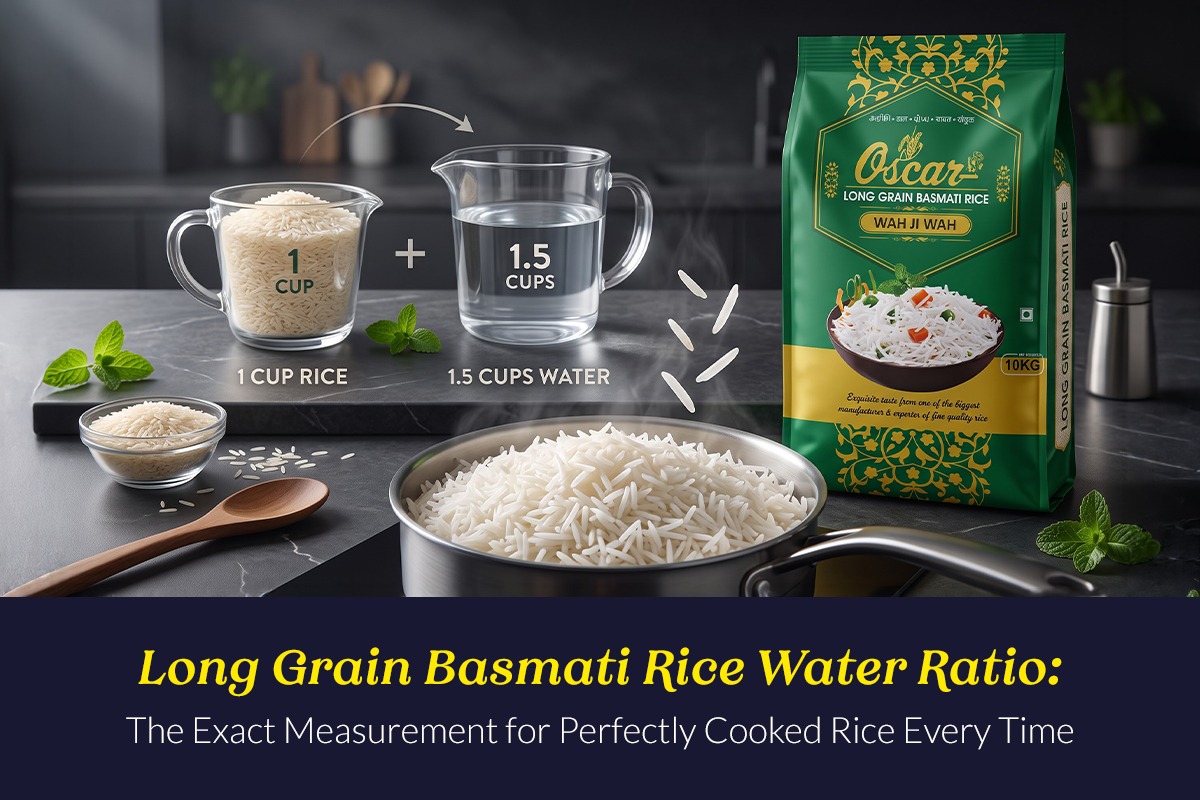
It is no fun serving your meal with sticky mushy rice when the goal is to have light, fluffy rice that does not clump. Knowing the long grain basmati rice...
When it comes to choosing rice grains to decorate your dining table, the options available can be a little daunting, and because of this, we receive inquiries about what sets...
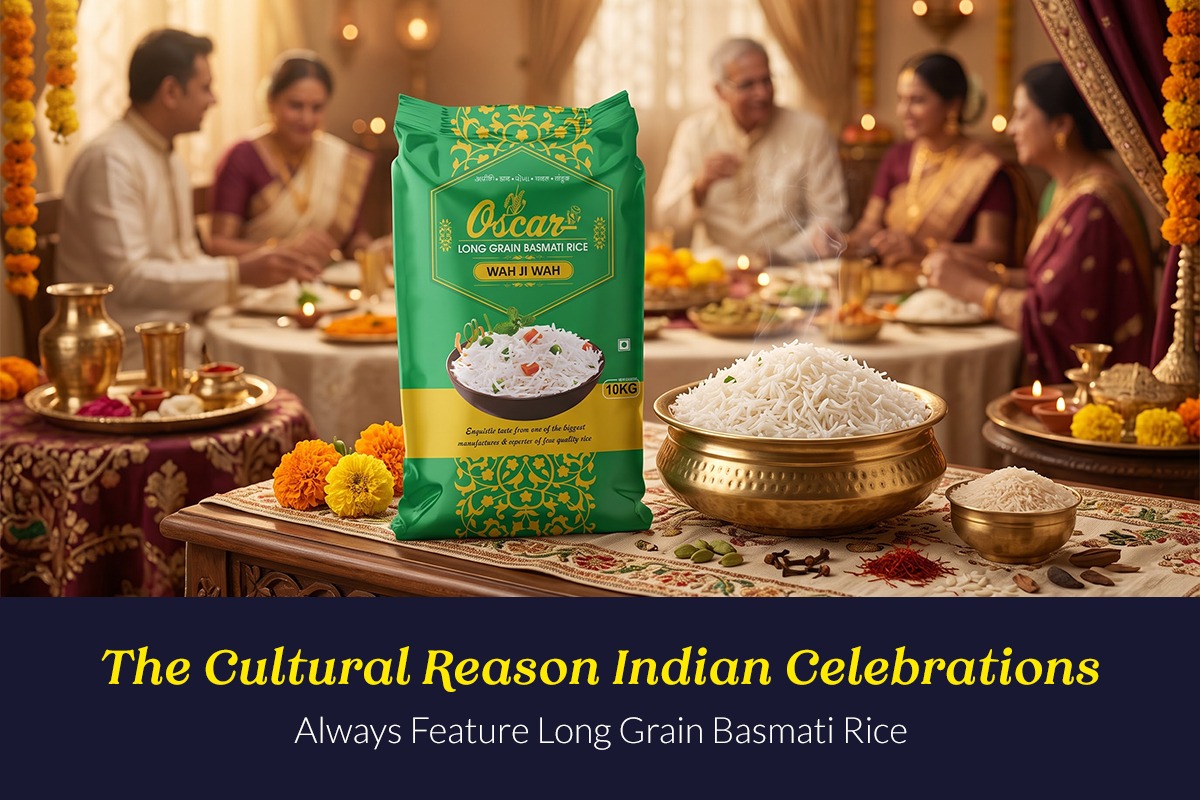
In India, food is not just fuel for the body. It is a way to express love, heritage and celebration. That is why Indian celebrations always include long grain basmati...