The Cultural Reason Indian Celebrations Always Feature Long Grain Basmati Rice
14 September, 2026
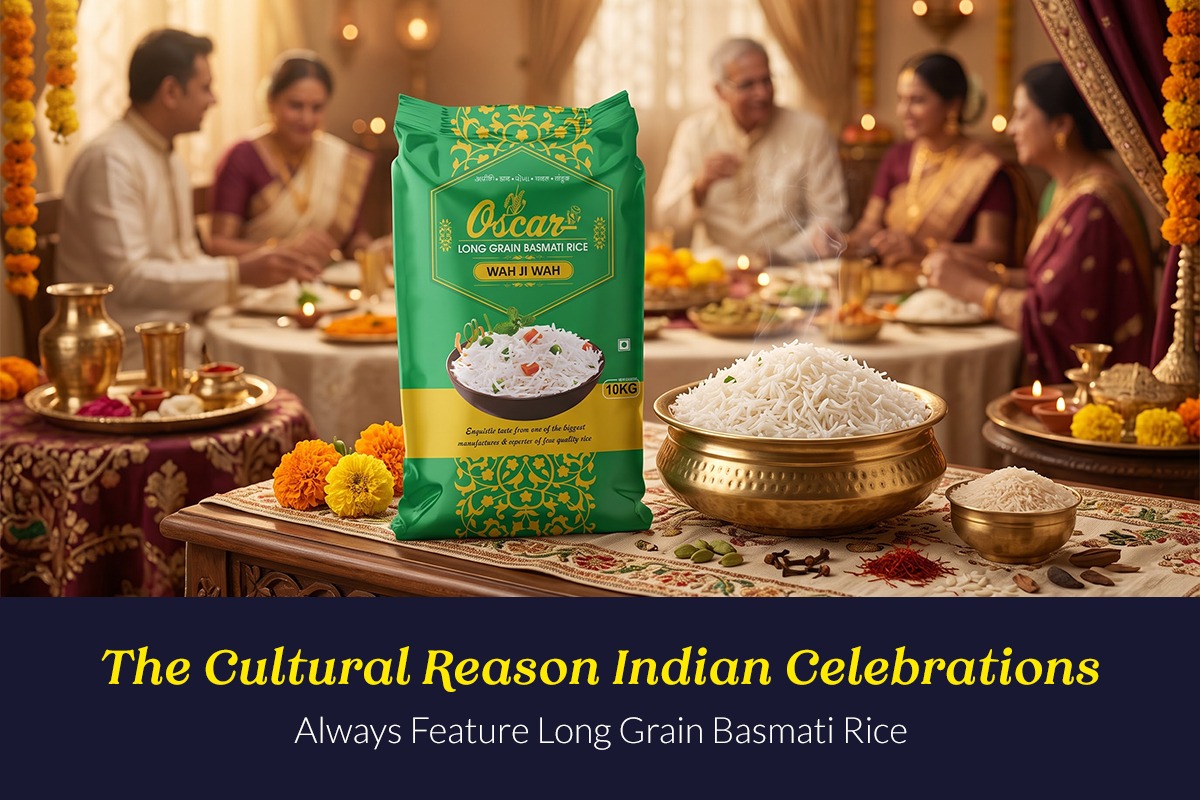
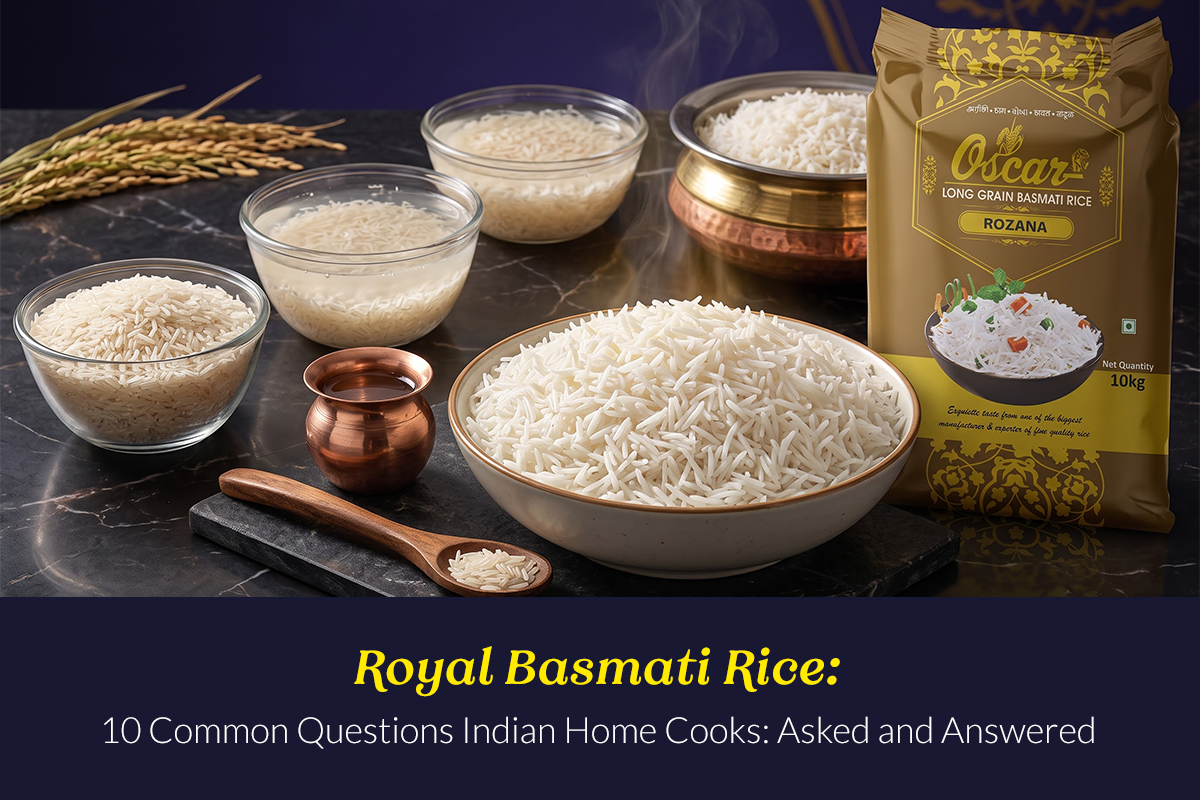
In India, food is not just fuel for the body. It is a way to express love, heritage and celebration. That is why Indian celebrations always include long grain basmati rice as a cultural staple. So, whenever there is an occasion like a wedding, festival, or important family event, everyone gathers around to eat while the wonderful smell of high quality long grain basmati rice wafts through the air.
As we work to establish our brand, Oscar Basmati Rice, in the industry, we personally witness how wah ji wah basmati rice is integral to various traditions within our culture. In this blog, we are going to consider the roots of culture connected with this rice and how the premium harvest allows us to make our feasts more wonderful.
The cultural roots of the high quality long grain basmati rice are connected with centuries of agricultural traditions and sacred meanings. In various rituals performed in the Indian region, rice, symbolizing wealth, prosperity, and completeness, is used. Thus, it is usually considered to be an important offering to the gods before any feast begins because the cooking process demands a rice type suitable for the exceptional occasion.
Essential Customs and Preparation Methods of Long Grain Basmati Rice
Step 1. Select and age the harvest.
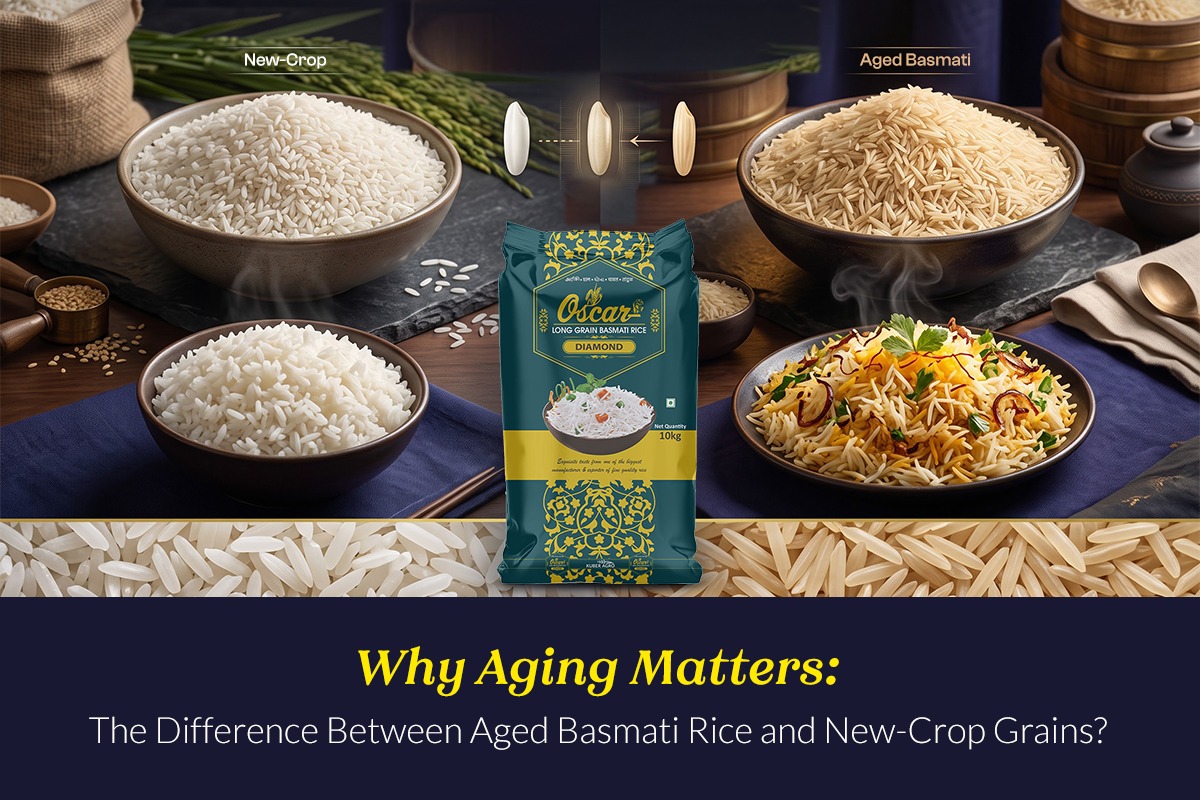
The grains undergo appropriate aging procedures to lower their moisture content, which increases elongation while cooking and improves their scent.
Step 2: Soak and wash the grains.
In order to eliminate the starch structure within the grains and make the cooked grains fluffy, we advise soaking the grains in cold water for at least 30 minutes.
Step 3: Layering the spices.
The layering of the strained grains while cooking provides the opportunity for the individual grains to absorb the benefits of the spices.
Things to Verify Before Preparing the Festive Dish
Ensure the grains are uniform in length and have a transparent appearance.
Check that there is a pleasant aroma prior to the cooking of grains.
Make sure the grains are soaked long enough so that they reach their maximum length during cooking.
Be sure to add whole spices such as clove and cardamom.
Make sure to store the wah ji wah basmati rice in a dry, cool place, which helps preserve natural essential oils.
Grain Variety Comparison
Option
Best For
Risk
Wah ji Wah Basmati Rice
Premium biryanis and grand family feasts
Overcooking if soaked improperly
Standard Daily Rice
Simple, quick weekday home meals
Lacks festive aroma and elongation
Broken Rice Varieties
Porridges, khichdi, or traditional sweets
Starchy texture, lacks separate grains
Expert Advice
During the process of preparing a royal feast, modern cooking trends prefer cooking high quality long grain basmati rice using a slow-dumpling cooking process, which retains steam and gives guests an aroma similar to pandan for a long time after the meal.
Find Out More from Our Kitchen
Get ideas and products from our website to help with your everyday cooking and your festive meal planning:
Get our interesting ideas for recipes from the Kuber Agro culinary blog.
Learn more about the process of getting raw material on the About Our Sourcing page.
Conclusion
The beauty of Indian cuisine is that it allows people and families to share it with one another in a festive atmosphere where the smell of the rice is in the air.
Our company, Kuber Agro, is happy to offer our great wah ji wah basmati rice for your banquet. So that the dish that you will make shows your love, taste, and aroma of long grain basmati rice.
Author Name
Lorem Ipsum is simply dummy text of the printing and typesetting industry. Lorem Ipsum has been the industry's standard dummy text ever since the 1500s, when an unknown printer took a galley of type and scrambled it to make a type specimen book. It has survived not only five centuries
Frequently Asked Questions About long grain basmati rice
The secret is that aged grains have the structure of starch that enables them to elongate to up to two times their original size yet keep the firm and fluffy texture.
It is extremely necessary to wash the rice thoroughly until the water becomes clear and soak the rice for a small amount of time before cooking so that the water runs completely out of the rice.
Once in our lives, we have all gone through the time when we have dedicated all our hearts and hours making biryani at home, thinking it would taste like restaurant...
With the number of different packages to choose from in a grocery store, it can be rather difficult to ensure that you always choose the Oscar Daily basmati rice, especially...
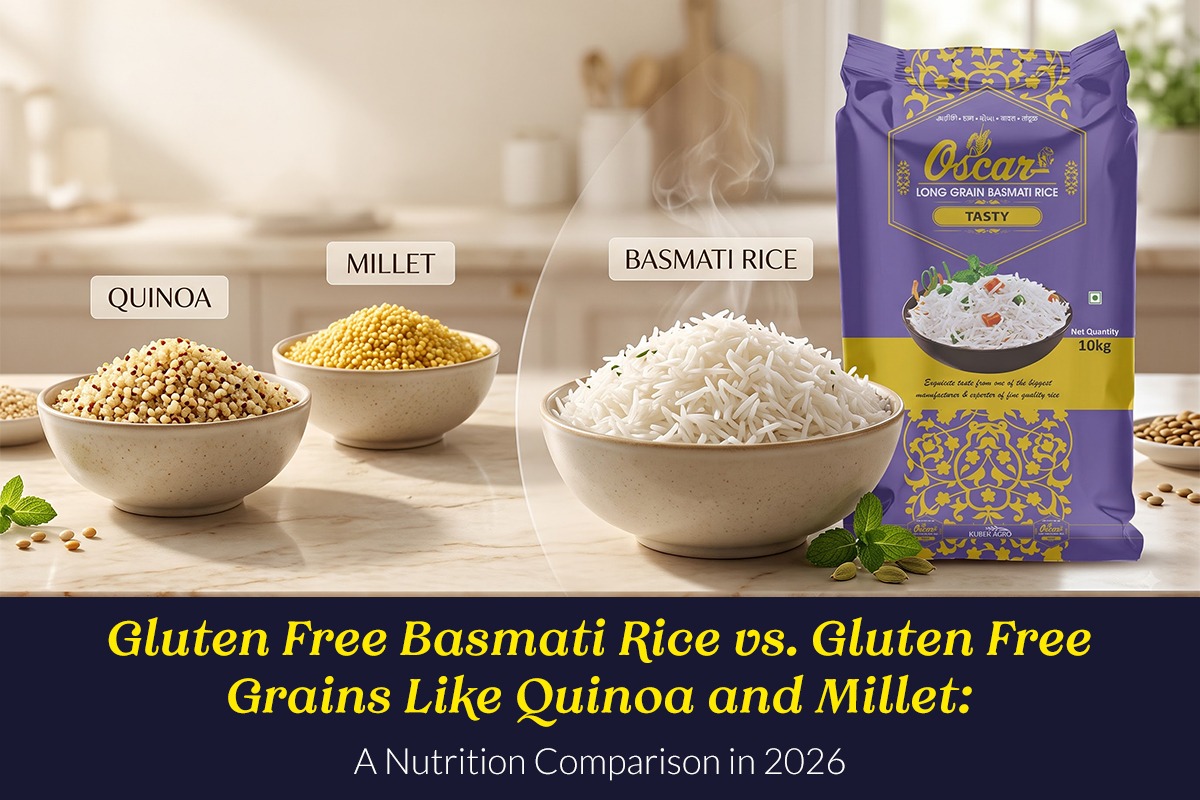
When we decide to go for gluten-free foods, we find ourselves questioning, “Which grain is the right one for our daily use?” Traditional Gluten free basmati rice could be one...
Cooking royal Basmati rice can be quite annoying when one gets sticky rice. Cooking long-grain rice is difficult if you are not aware of soaking times, the ratio of water...
Every one of us loves the fragrance of a fresh preparation of biryani, but what if some of the rice dishes come out fluffy and others end up clumpy and...